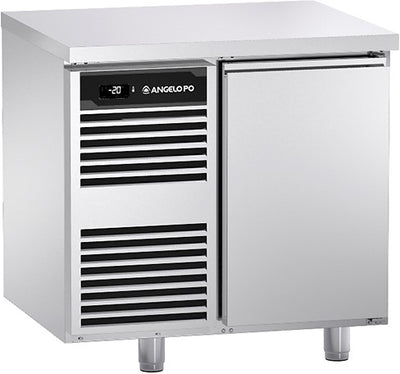
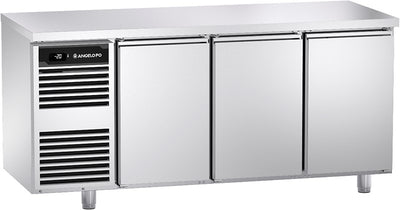
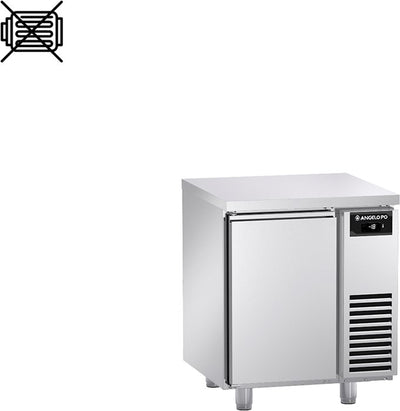
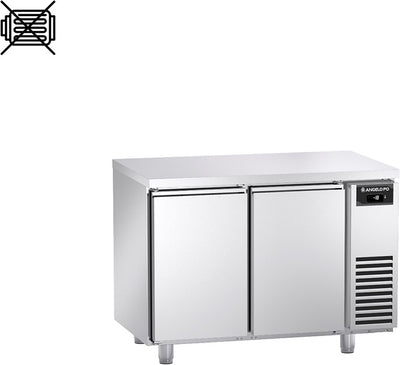
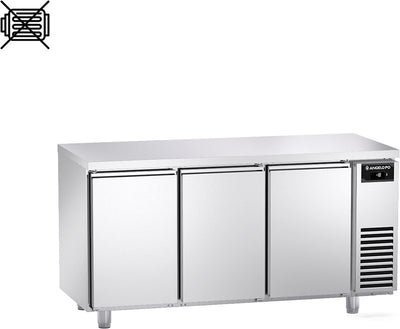
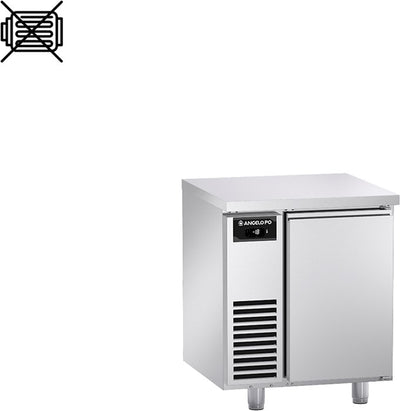
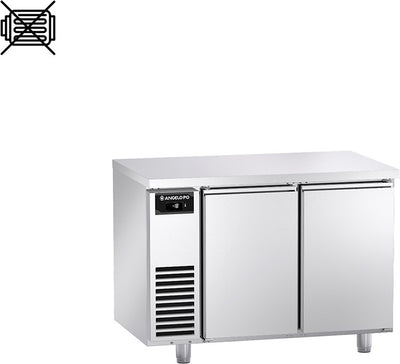
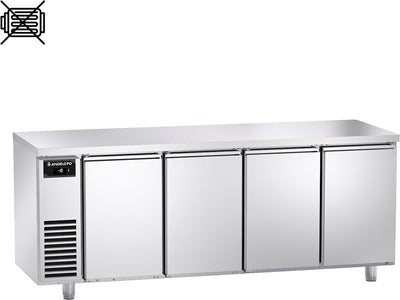
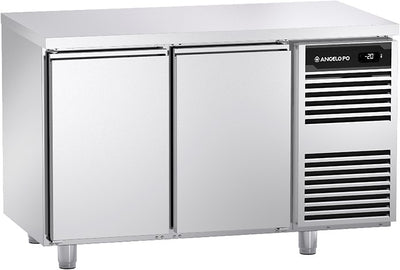
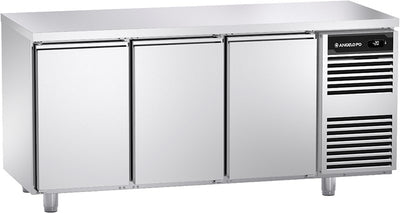
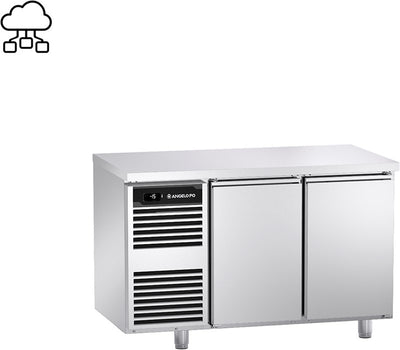
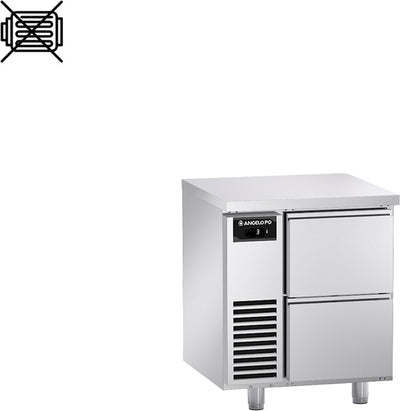
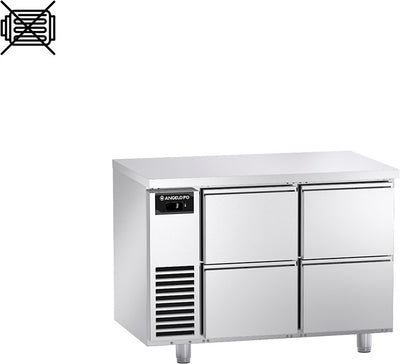
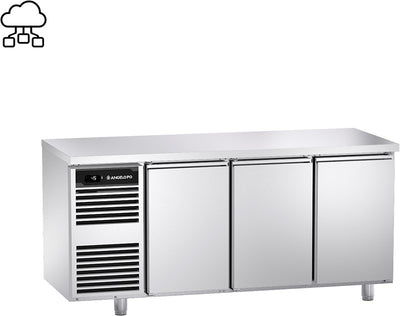
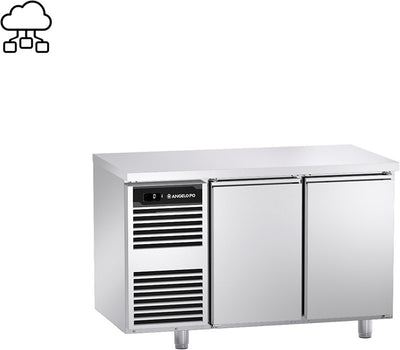
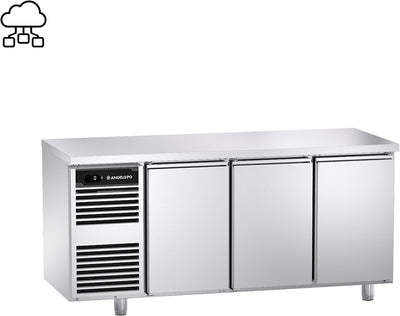
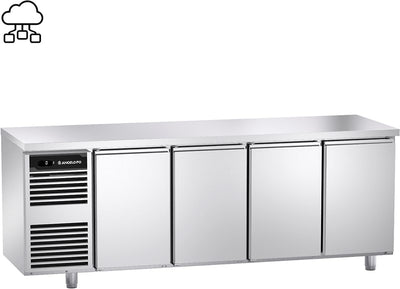
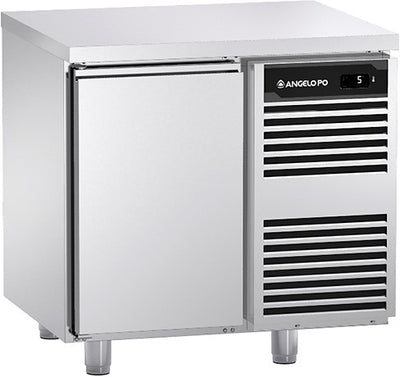
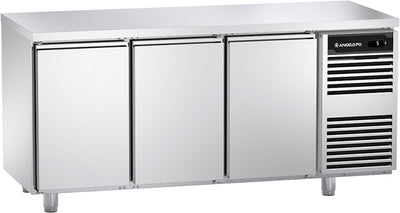
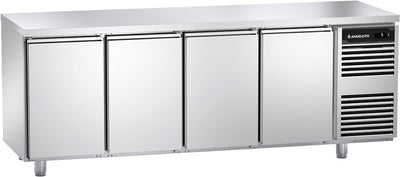
For storage, choose refrigeration and freezer cabinets; for food preparation, refrigerated worktables; and for sales, display cases. For a specific model, compare usable capacity, temperature range, and the space needed to open the doors.
How to design refrigeration for your operation
Distinguish between ingredient storage, a refrigerated work area, and displaying goods to customers. Assess the unit’s capacity alongside shelf layout, container dimensions, and how often the doors are opened.
-
Temperature and intended use: Compare the temperature range and intended use listed for the model. A refrigerated storage cabinet, a beverage display case, and a food display unit may not be interchangeable.
-
Room conditions: Check the climate class or permitted ambient temperature and ventilation requirements. Maintain the specified clearances; don’t choose a unit based solely on its external width.
-
Interior space: Check shelf dimensions and compatibility with GN containers or baking trays. For worktables, compare the number of doors or drawers, the work surface, and access to the contents.
For a specific model, check the cooling system, defrosting method, condensate drainage, and energy consumption figures, if provided. The dimensions of the entrance to your premises are just as important as the space where the unit will be installed.
Related categories: Refrigerated display cases · Gastronorm containers and their dimensions · Stainless steel workstations.
 Professional catering equipment